Kimchi & Jang: UNESCO Heritage Superfoods for Gut Health (Easy Mak-Kimchi Recipe & Traditional Korean Fermentation)
Why do these earthenware jars holding humble vegetables and fermented beans command such global reverence? Korean elders have passed down a simple truth for centuries: "When your gut is comfortable, your whole body thrives." Today, modern nutritional science confirms what ancestral wisdom already knew. Here is the definitive guide to why Kimchi and Jang act as ultimate allies for your microbiome, complete with a beginner-friendly homemade Kimchi recipe and authentic fermentation secrets.
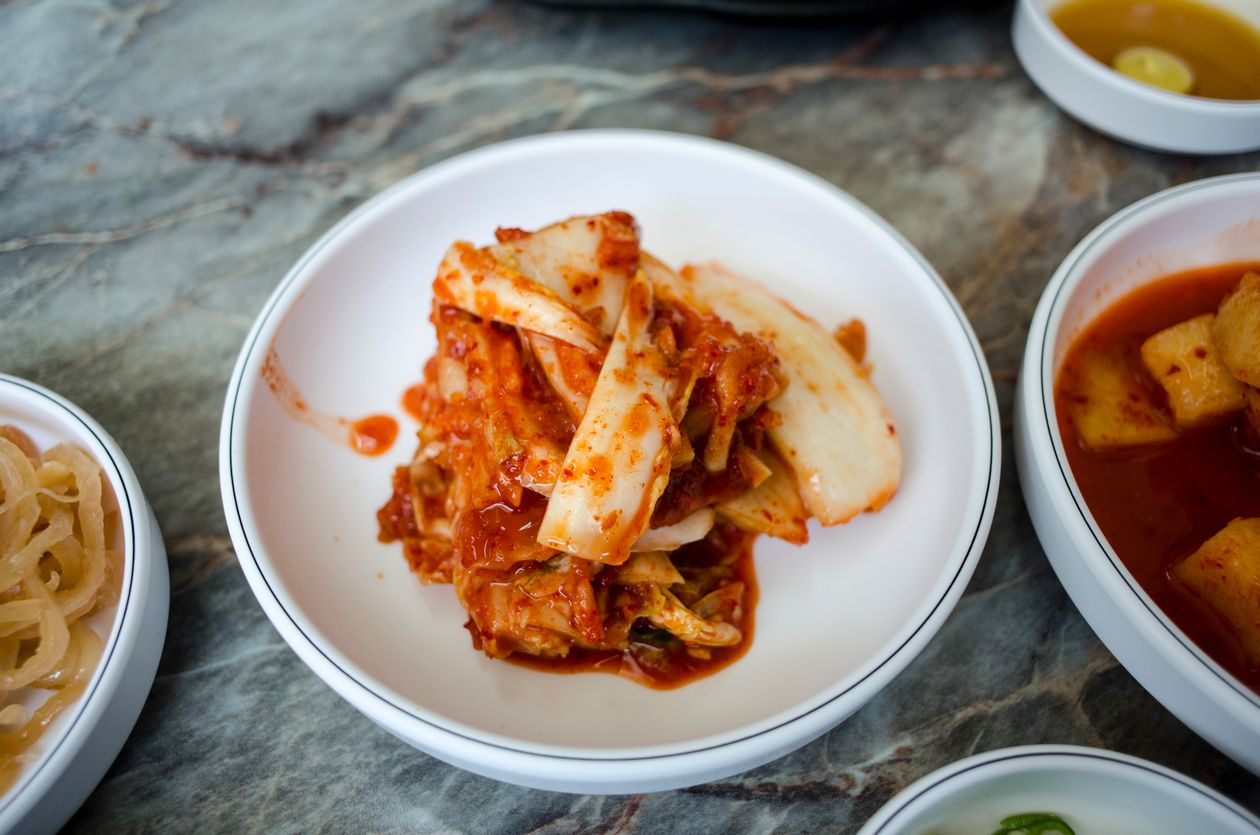
Living, probiotic-rich Napa Cabbage Kimchi
1. The Twin Pillars of Korean Fermentation: Kimchi & Jang
Every traditional Korean dining table (*Hansik*) rests upon two unshakeable fermented pillars. The first is Kimchi—vegetables like Napa cabbage or radish brined in mineral sea salt, then coated in a vibrant paste of Korean red chili powder (*Gochugaru*), garlic, and ginger. The second is Jang (醬), an artisanal family of savory fermented soybean condiments that forms the foundational DNA of Korean umami.
| Name | What It Is | Flavor Profile | Culinary Usage |
|---|---|---|---|
| Kimchi (김치) | Salt-brined cabbage & radish fermented with aromatics | Spicy, tangy, effervescent, crisp | Daily side dish (Banchan), fried rice, hearty stews |
| Doenjang (된장) | Naturally aged fermented soybean paste | Earthy, nutty, savory umami (deeper than miso) | Doenjang-jjigae (stew), Ssamjang BBQ dipping sauce |
| Ganjang (간장) | Naturally aged liquid pressed from fermented soy mash | Clean, savory, complex aromatic salinity | Soup seasoning, wild greens (Namul), braises |
| Gochujang (고추장) | Cultured chili paste with glutinous rice & soy powder | Sweet, fiery, smoky, velvety | Bibimbap, Tteokbokki, spicy marinades |
2. Why Kimchi & Jang Are Superfoods for Gut Health
Billions of Living Probiotics in Every Forkful
As Kimchi ferments, beneficial lactic acid bacteria (LAB) multiply exponentially. Key bacterial strains such as Leuconostoc mesenteroides and Lactobacillus plantarum actively produce lactic acid and natural carbonation. Clinical studies reveal that these resilient probiotic cultures help populate the gut microbiota, suppress harmful pathogens, and reinforce gut lining integrity.
Abundant Prebiotic Fiber: Fuel for Friendly Flora
Probiotics need food to survive, and Kimchi delivers a complete package. Ingredients like Napa cabbage, Korean radish, whole garlic cloves, and scallions are rich in prebiotic dietary fibers. In nutritional science, combining living probiotics with their prebiotic fuel is known as a synbiotic food—giving friendly gut bacteria an instant nutritional advantage inside your digestive tract.
The Gentle Bio-transformation of Aged Jang
Artisanal Doenjang and Ganjang age slowly for months, or even years. During this maturation, beneficial microflora such as Bacillus subtilis enzymatically break down dense soy proteins into bioavailable amino acids and bioactive peptides. This natural pre-digestion creates deep umami while making soy extraordinarily easy on sensitive stomachs. Remember: because Jang is nutrient-dense and high in sodium, a small spoonful goes a long way.
|
✅ Quick Takeaways: Gut Health Benefits of Korean Fermentation - Abundant living probiotic strains from wild lactic acid fermentation - Natural prebiotic plant fibers that nourish healthy gut bacteria - Readily digestible amino acid complexes from slowly fermented soybeans - Low calorie count paired with unmatched micronutrient density * Traditional fermented foods support overall digestive wellness as part of a balanced diet and are not intended to diagnose or treat medical conditions. |
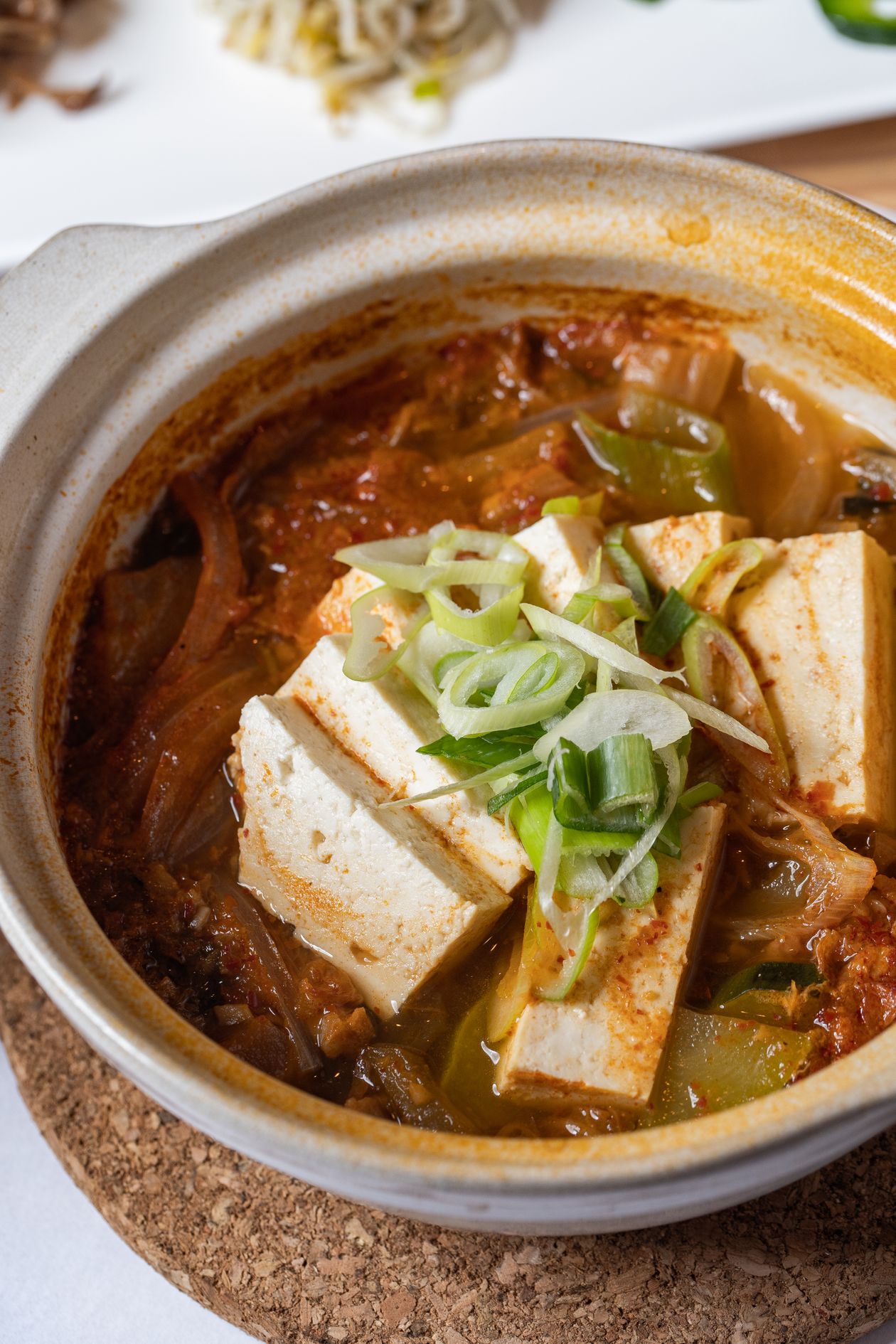
3. Beginner-Friendly Mak-Kimchi Recipe (Simple Chopped Kimchi)
If salting and pasting individual cabbage leaves for whole-head *Pogi-Kimchi* feels intimidating, start with Mak-Kimchi (막김치). The cabbage is pre-cut into bite-sized pieces before brining, drastically reducing prep time while delivering the exact same crisp, authentic flavor.
| 🥬 Ingredients (Yields 1 Large Airtight Jar) | |
|---|---|
| Napa Cabbage | 1 medium head (approx. 2 kg / 4.5 lbs) |
| Coarse Sea Salt (Coarse Kosher Salt) | 1/2 cup |
| Gochugaru (Korean Chili Flakes) | 1/3 to 1/2 cup (adjust for heat preference) |
| Minced Fresh Garlic | 6 cloves (approx. 2 tbsp) |
| Minced Fresh Ginger | 1 tsp |
| Korean Fish Sauce (or Soy Sauce / Tamari for Vegan) | 3 tbsp |
| Raw Sugar or Honey | 1 tbsp |
| Sweet Rice Porridge (Glutinous Rice Flour + Water) | 1 tbsp flour simmered in 1/2 cup water |
| Julienned Korean Radish (or Daikon) | 1 cup |
| Scallions / Green Onions | 4 stalks, cut into 3cm (1.2-inch) pieces |
|
👩🍳 Step-by-Step Instructions Step 1. Chop & Salt: Cut the Napa cabbage into bite-sized squares. Toss evenly with coarse salt and let sit for 1.5 to 2 hours, turning every 30 minutes. You know it is ready when thick stems bend smoothly without snapping. Step 2. Rinse & Drain: Rinse thoroughly in cold running water 2 to 3 times to remove excess surface salt, then drain in a colander for 20 to 30 minutes. Do not skip draining, or your Kimchi paste will become watery. Step 3. Make Rice Porridge (*Chapsal-pul*): Whisk rice flour and water in a small saucepan over low heat until gently thickened like a thin porridge. Cool completely. This porridge feeds the lactic acid bacteria and helps the spices coat each leaf. Step 4. Mix the Spice Paste: Stir Gochugaru, minced garlic, minced ginger, fish sauce (or soy sauce), and sugar into the cooled rice porridge. Step 5. Toss & Coat: Put on kitchen gloves. In a large mixing bowl, gently massage the spicy paste into the drained cabbage, radish shreds, and scallions until thoroughly coated. Step 6. Pack & Ferment: Pack tightly into a clean glass jar, pressing firmly down to squeeze out trapped air pockets. Leave 2 to 3 cm (1 inch) of headspace at the top for fermentation gas. Seal and keep at cool room temperature for 1 to 2 days, then move to your refrigerator. |
Pro Tip: Taste a small bite every few days! Fresh Kimchi has a crisp, peppery crunch; around week 2 or 3, it develops an intoxicating, fizzy tang that turns everyday fried rice and noodle soups into gourmet comfort food.
4. An Introductory Guide to Traditional Jang-Making
Jang-making represents the pinnacle of ancient slow food. While modern households often buy high-quality artisanal brands, understanding its generational alchemy changes how you appreciate a single spoonful of Korean soup. For curious culinary explorers, starting with dried Meju (fermented soybean blocks) makes the ancient craft surprisingly accessible at home.
| Phase | Traditional Process | Timeframe |
|---|---|---|
| ① Shaping Meju | Yellow soybeans are boiled, mashed, shaped into firm rectangular blocks, and naturally hung with rice straw to ferment with beneficial wild microflora. | 1 to 2 Months |
| ② Brining (*Jang-Damgeugi*) | Cleaned Meju blocks are placed inside an earthenware jar and submerged in concentrated brine. Ancient lore checks salinity by floating a fresh egg—if it floats showing a coin-sized circle, the salt ratio is pristine. | Approx. 40 to 60 Days |
| ③ Separating the Jang (*Jang-Gareugi*) | The amber infused liquid is strained to age into Ganjang (Soy Sauce), while the softened soybean mash is hand-kneaded with sea salt and packed to become Doenjang. | 1 Day |
| ④ Earthenware Aging | Exposed to outdoor sunlight, clean wind, and seasonal temperature rhythms, the flavors deepen and caramelize year after year. | Several Months to Decades |
Why must traditional Jang be aged in Onggi (옹기)? Known across Korea as "breathing pottery", Onggi features microscopic clay micropores. These pores permit atmospheric oxygen to circulate freely while keeping liquids and rainwater locked out, creating an ideal microclimate for slow, clean aerobic and anaerobic fermentation.

5. Healthy Habits: How to Incorporate Fermented Foods Daily
|
👍 Best Practices to Enjoy - Serve a small portion (2 to 3 tbsp) with everyday meals. - Eat raw, chilled Kimchi to absorb maximum live probiotics. - Pair savory, sodium-rich Jang dishes with plenty of crisp fresh greens. - Store Kimchi submerged under its brine in sealed glass containers. |
⚠️ Mindful Precautions - Kimchi and Jang naturally contain elevated sodium levels. - Moderate your intake if you are on a doctor-prescribed low-sodium diet. - Individuals with histamine sensitivities should introduce aged foods gradually. - Immediately discard any food displaying fuzzy colored mold or rancid smells. |
6. Frequently Asked Questions (FAQ)
Absolutely. Replace traditional fish sauce or salted baby shrimp (*Saeu-jeot*) with high-quality Korean traditional soy sauce (*Guk-ganjang*), tamari, or vegetable kelp broth. You achieve the same mouthwatering umami crunch without animal products.
Heat above 60°C (140°F) deactivates live lactic acid bacteria. However, cooking aged Kimchi in comforting stews (*Kimchi Jjigae*) or fried rice still provides rich prebiotic fiber and beneficial postbiotics that feed your native gut bacteria.
A gentle hiss or effervescence is a reassuring sign of healthy, active fermentation! As beneficial lactic acid bacteria convert sugars, they naturally release carbon dioxide gas, giving crisp Kimchi its signature sparkling sensation.


Comments
Post a Comment